
Radon Mitigation Explained
Radon is an invisible, radioactive gas that can enter a home through cracks in the foundation, openings around pipes, sump systems, dirt floors and other paths between the soil and the building. You can't see or smell radon, so the only sure way to know if it has built up inside your house is to test for it.
Radon mitigation is the process of reducing those indoor concentrations, usually by collecting radon from below the home and safely venting it to the outdoors. The right system depends upon the home construction, foundation, soil conditions and how the radon is entering the building.
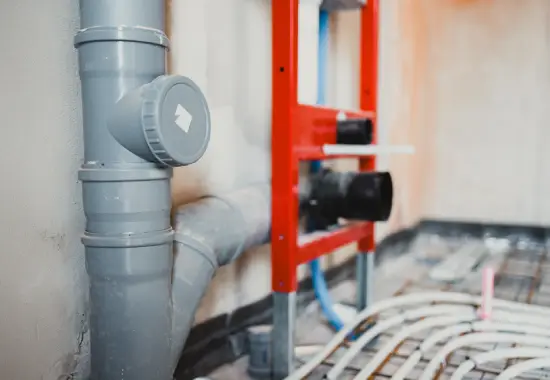
What Is Radon Mitigation?
The most common residential approach in the United States is sub-slab depressurization (also called active sub-slab suction). A professional mitigation system is installed by creating a suction point below the slab, connecting it to a vent pipe, and using a fan to pull radon from below the home before it can enter the living space.
Why Radon Can Become a Problem
- Radon can accumulate indoors: Basements, crawl spaces, and other areas with limited ventilation can allow radon concentrations to increase, particularly when a home remains closed during colder weather.
- Radon levels can change: Soil moisture, weather, air pressure, drainage, frozen ground, and pressure differences inside the home can all influence how much radon enters.
- Testing matters: A home cannot be judged by its age, foundation, or location alone. Testing provides the information needed to determine whether mitigation is necessary.
- Different homes need different systems: A system that works well in one house may not be the best choice for another. Suction points, fan placement, vent routing, and other details need to be considered together.
Radon mitigation is not simply about installing a fan. A properly designed system needs to account for how the house interacts with the soil beneath it.
Types of Radon Mitigation Systems
There are several ways radon can be reduced, and the most appropriate method depends on the structure and the pathways through which radon enters. A Best Radon Systems installs and services systems for everything from newer construction to older homes with challenging crawl spaces and unusual foundations.
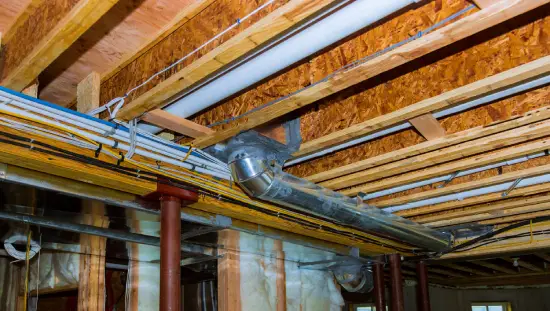
Sub-Slab Suction
A suction point is created beneath a basement slab, allowing the system to pull radon from the soil before it enters the home.
Sump Suction
A properly sealed sump area can sometimes serve as a suction point, allowing the mitigation system to draw radon from beneath the foundation.
Sub-Membrane Suction
Homes with crawl spaces or exposed soil may use suction beneath a sealed membrane to collect radon from the ground.
Drain-Tile Suction
Where a home's drainage system provides an appropriate pathway, suction can be applied to drain tiles or perforated piping.
Block-Wall Suction
Some basement construction allows radon to collect within hollow block foundation walls. A dedicated suction approach can help depressurize these spaces.
Ventilation & Air Exchange
In certain situations, ventilation, fresh-air systems, HRVs, ERVs, or positive-pressure methods may be used to dilute radon or prevent it from accumulating.
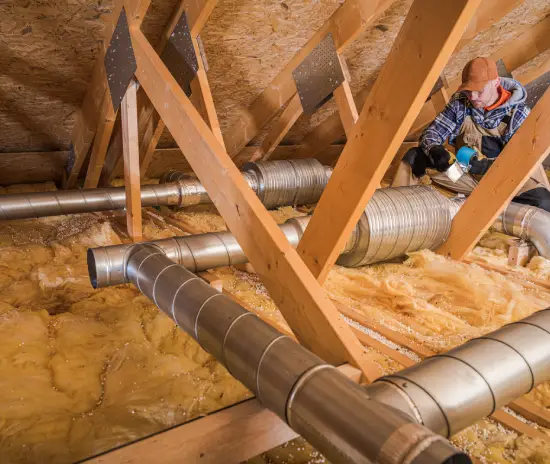
American vs. Canadian Radon Systems
American vs. Canadian Radon Systems
Canadian-Type Systems
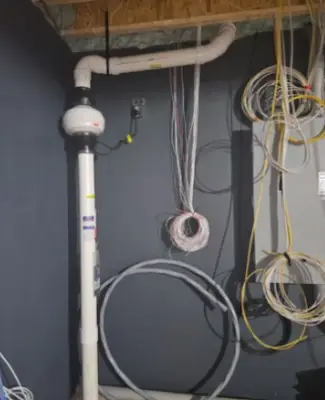
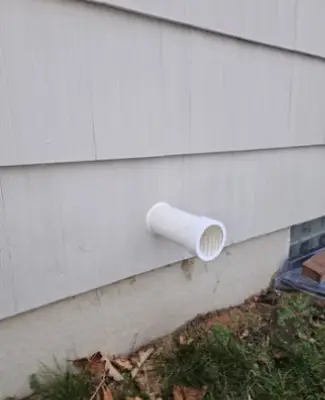
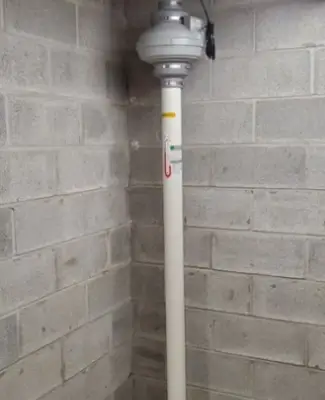
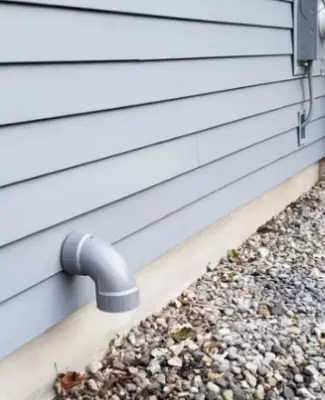
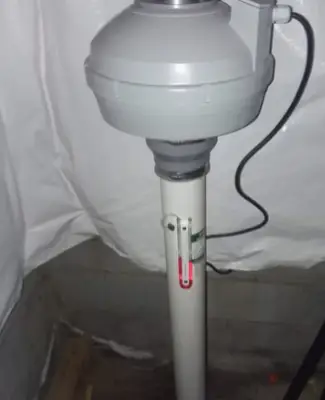
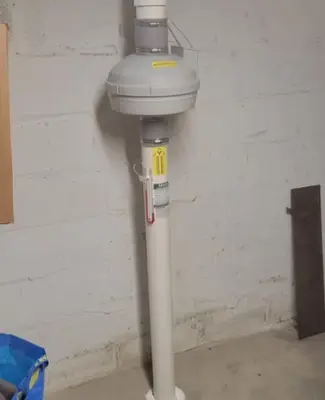
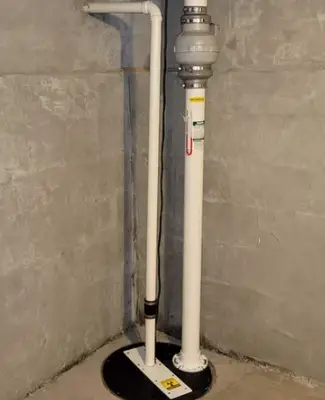
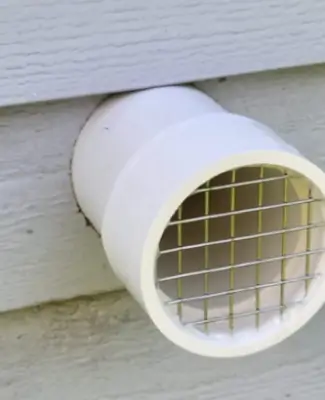
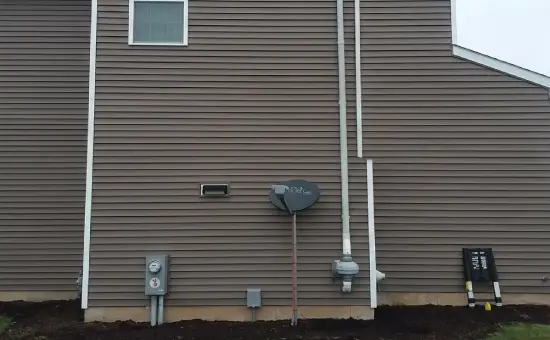
The Canadian style system usually has the fan inside the house, often in the basement, with the vent pipe ending nearer to grade. This setup can be helpful for homes located in regions with long, cold winters, as it leaves less of the vent exposed to the frigid temperatures.
Installing the indoor fan also protects the fan from outdoor temperature extremes and can prolong the life of the fan. The approach to the installation should not be a one-size-fits-all approach, but rather based on local weather conditions for homes in cold climates.
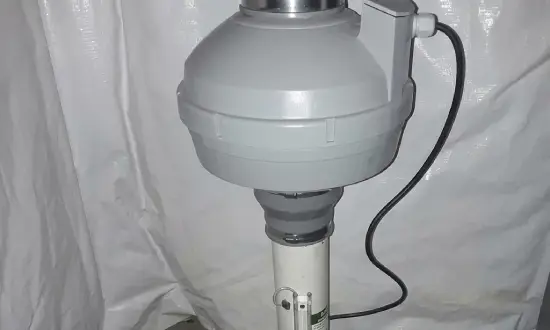
Pictures of Canadian Type Radon Systems
Choosing the Right Radon System
- Radon Quote
Get a Custom Radon Quote in Under 2 Minutes
Select your service type below to calculate an accurate, no-obligation estimate for your home.